No matter why you’re moving to Croatia—whether it’s for employment, school, or retirement—one of the most important things to do first is choose the perfect place to reside. There are a number of different types of residences available in Croatia, from sophisticated apartments in the city core to rustic family homes and attractive seaside apartments. Finding a place to live might be straightforward if you know how the rental market works, what the law says, and where to search.
Types of housing available
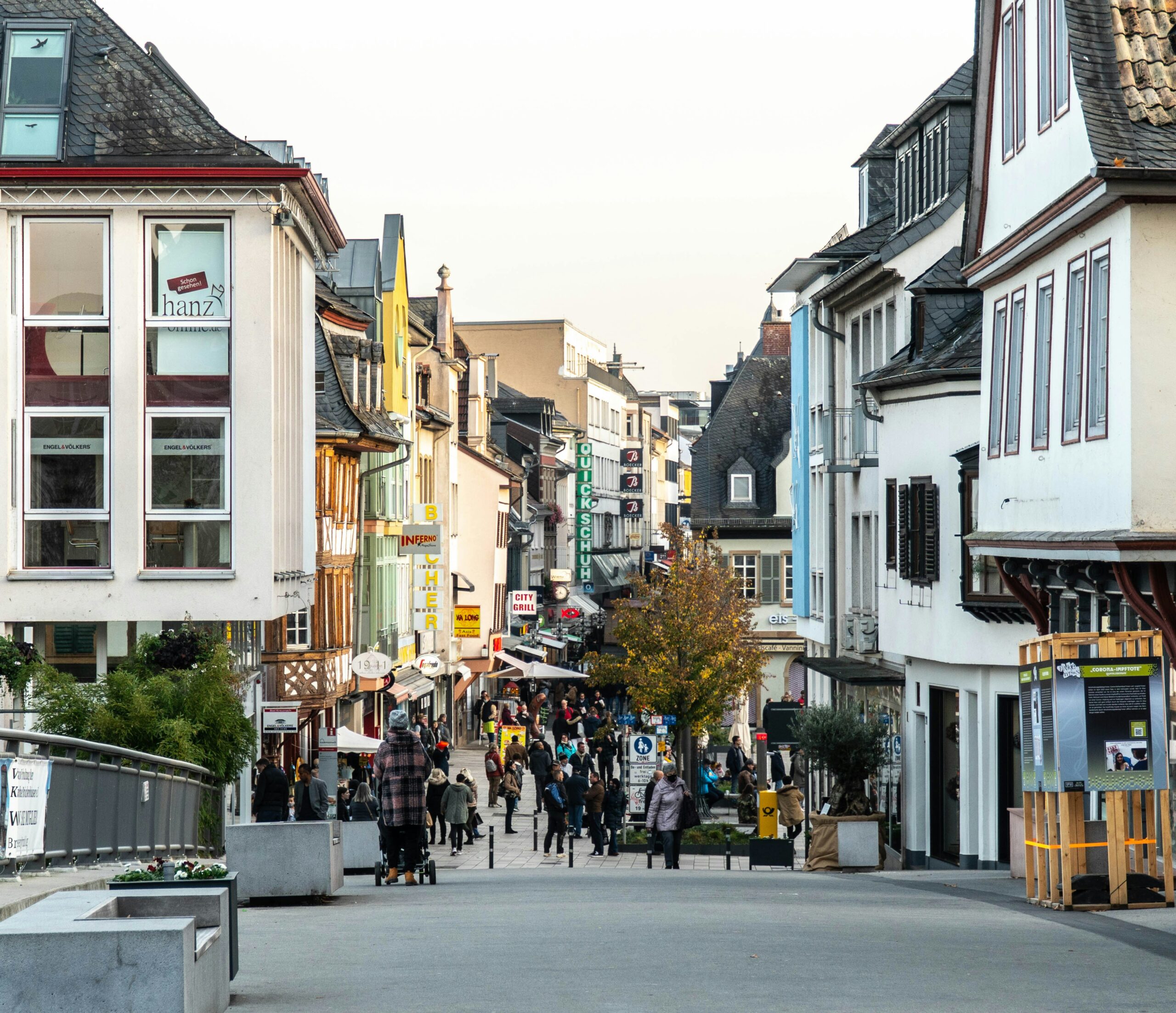
There are a lot of locations to stay in Croatia that will match different budgets and ways of living. People who reside in places like Split, Rijeka, and Zagreb usually rent flats. These might be little studios or bigger apartments in modern structures or old residences with a lot of charm. There are more residences in coastal areas and small towns, and a lot of them have gardens or terraces. There are rental options that include furniture, however the quality of the furniture may not be the same. Semi-furnished or unfurnished choices are excellent for those who want to rent for a long time since they are more flexible and cost less.
Popular areas to live
Where you reside is largely based on your lifestyle demands. The capital city of Zagreb is the most attractive place for both professionals and students. This is because it contains colleges, buses, and jobs. Maksimir, Trešnjevka, and Medveščak are all ideal neighbourhoods since they are cheap, easy to get to, and easy to go about. There are two gorgeous towns on the coast called Split and Dubrovnik that have a lot of history. But the cost of housing may be much greater, particularly during the tourist season. Istria and Zadar are peaceful locations where people live more slowly. Even if they cost less, towns and villages inland could be preferable for retirees or those who work far away and desire peace and quiet.
The rental process
Most individuals in Croatia start by looking at local real estate websites or calling a rental agency when they wish to rent a place. Three well-known websites that show homes with photographs, pricing, and contact information are Njuškalo, Index Oglasi, and Crozilla. After you locate a property you like, the next step is to set up a viewing and, if you’re interested, chat to the landlord about the conditions. A documented rental agreement and a deposit of one month’s rent are what most landlords want. You need to send contracts to the local tax office. It’s best to get them translated if you don’t know Croatian well. It’s crucial to clarify whether utilities are included or charged separately since rent is normally paid in cash or by bank transfer every month.
Legal considerations and residency
Foreigners may rent properties in Croatia, and this might help them get residency. If you need a place to stay for a short time, it’s extremely important to make sure your lease is legitimate. And also, that the landlord is willing to inform the Ministry of the Interior that you’re staying there. Renting illegally or “under the table” might be dangerous since it could mean you couldn’t get certain privileges or finish your immigration procedures. If you want to remain in Croatia for more than three months, you must register your address with the local police station. To do this, you will need to provide evidence of residency, such as a current lease.
Costs and budgeting
The cost of renting a place in Croatia depends a lot on where it is, how big it is, and how well it is kept. A one-bedroom apartment in the centre of Zagreb may cost between €500 and €700 a month. The identical apartment in a smaller town could be available for €300 or less. Coastal cities are usually more costly, particularly in the summer when landlords may want to rent to tourists for a short time. Your monthly bills for energy, water, heating, and the internet might add another €100 to €200. When renting for a long period, you may be able to get better bargains on the rent if you negotiate it outside of the busiest tourist seasons.
Conclusion
If you have clear expectations and know the area well, finding a place to stay in Croatia might be easy. There are places to live that fit every need and lifestyle, from sophisticated city flats to quiet villas by the sea. You may be guaranteed of a secure and pleasant living situation in Croatia if you understand the law, know where to look, and engage with trustworthy agencies or landlords.
You can also view these posts:
Understanding the impact of criminal records on immigration to Croatia
Preparing for the immigration interview in Croatia
Getting a job as an expat in Croatia