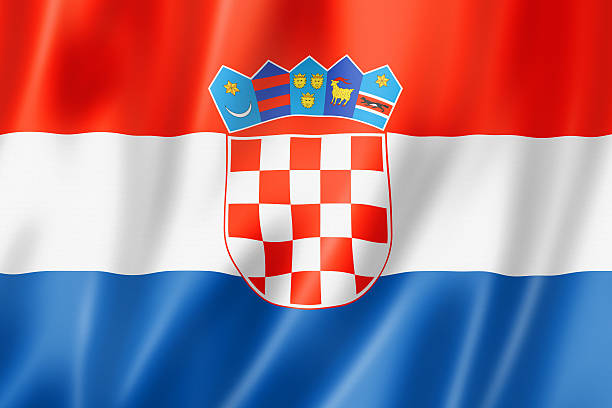
Croatia allows people to become citizens not just by being born there, but also by being descended from someone who was born there. Citizenship by descent is one of the best methods for persons of Croatian descent to reconnect with their origins and get the advantages of being a Croatian and EU citizen. If you can establish that you are related to a Croatian parent, grandparent, or even farther back, you may apply for citizenship via this path. No matter where you were born or where you live now.
Citizenship through parents
If you want to get Croatian citizenship by descent, the easiest option is via one or both of your parents. If one parent is a citizen when the kid is born, the child has the right to Croatian citizenship. Citizenship is usually automatic if the kid is born in Croatia. If the kid is born outside of Croatia, nevertheless, the parents must register the child with the the government—usually at the closest Croatian embassy or consulate—before the child reaches 21. If you don’t do this, the kid may lose their natural right to citizenship. However, they may still petition for citizenship later via the descent procedure.
Citizenship via grandparents and ancestors
People having a Croatian grandmother, or even farther back in rare situations, may petition for citizenship in Croatia. However, this isn’t automatic and requires further documentation and inspection. People who want to apply must show that they have an unbroken line of ancestry from a Croatian ancestor and typically also show a cultural or personal connection to Croatia. Most of the time, the documents that are needed are birth and marriage certificates for each generation that connects the applicant to the Croatian ancestor. There also needs to be proof that the ancestor was a citizen or a citizen of a former Yugoslav republic that Croatia recognises as the same for these purposes.
In 2020, the legislation was changed to make it simpler for the children of Croatian immigrants to get citizenship. This was especially for those who left the nation before 1991, when Yugoslavia was still a country. With this change, descendants no longer have to give up their other nationalities to become citizens of Croatia. This makes it easier for many dual or multiple nationals living overseas to become citizens of Croatia.
Required documentation and process
To apply for Croatian citizenship by descent, candidates need to gather a number of papers, which usually include:
- Proof that you are Croatian (birth certificates, old passports, national ID cards, etc.)
- Identification papers like a passport or birth certificate
- Certificates that show the applicant’s family tree goes back to a Croatian ancestor
- A criminal history check from the applicant’s home country
- Proof that you know the language (in certain circumstances, this criteria may not be necessary)
You may send in your application to a Croatian embassy or consulate in another country, or you can go directly to the Ministry of the Interior in Croatia. Depending on how complicated the case is and how comprehensive the paperwork is, processing timelines might be quite different.
Requirements for language and residency
Croatian language skills are typically needed for anyone applying from outside the country, unless they can show that they are part of the Croatian diaspora. If you live in Croatia or want to move there, you may have to go to a brief interview or take a language test as part of the procedure. But the 2020 changes say that Croatian descendants who apply from outside the country may not have to speak the language if they are just applying via descent. People who want to become citizens by descent do not have to live in Croatia. People of Croatian descent who want to stay connected to the nation, travel often, or take advantage of the privileges that come with EU citizenship may find this procedure appealing.
Final thoughts
Croatian citizenship by descent is a great way for individuals with Croatian roots all over the globe to reconnect with their roots and become part of the Croatia nation again. Anyone who can prove their relationship and satisfy the legal standards may go along this road, whether it’s via a parent, grandmother, or deeper ancestry. Recent changes to the law have made it easier for those with Croatian heritage to find out whether they may become citizens. Now is a great time to do this.
You can also view these posts:
Getting an employment visa: Work permit in Croatia
Best universities to apply for in Croatia as expat
Getting a job as an expat in Croatia