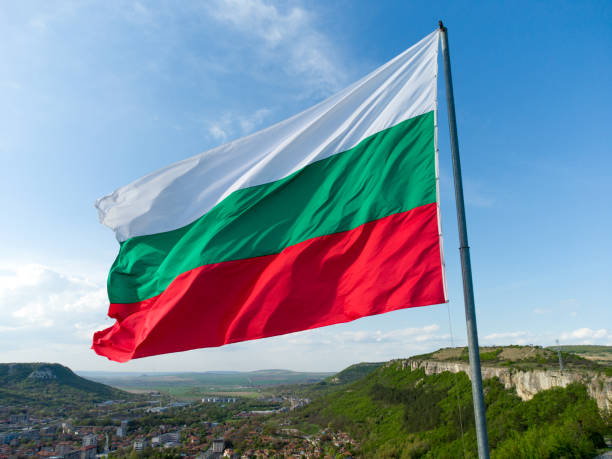
Bulgaria has been a popular destination for international property purchasers owing to its affordability, stunning scenery, and potential for long-term investment. Bulgaria has a wide range of property possibilities, including vacation homes on the Black Sea coast, rural retreats in the countryside, and apartments in lively cities like Sofia or Plovdiv. However, managing the process as a foreigner requires knowledge of local property laws, processes, and possible constraints, especially for non-EU citizens.
Legal structure and ownership rights
Foreigners may acquire buildings and flats in Bulgaria with no limitations. However, there are restrictions when it comes to land ownership. Non-EU nationals cannot buy real estate in Bulgaria unless they form a Bulgarian-registered corporation. This limitation affects residences with yards, since the ground underneath them is deemed part of the transaction. EU citizens have more freedom since they may buy land for residential reasons.
To counter this, many non-EU nationals, including individuals from India, Russia, and the United States, choose to establish a limited liability business in Bulgaria. This corporation allows them to lawfully buy land and assets that incorporate land. The procedure of registering a corporation is quite simple and can usually be finished in a few days.
Finding the right property
Once you’ve grasped the legal structure, the following step is to look for a property that meets your demands and budget. Buyers usually engage with local real estate agents that provide listings in many languages, including English. Rural and smaller communities often have lower property values than large cities or beach resorts. Before continuing, you must visit the property in person, assess its condition, and double-check all property data.
Bulgaria’s real estate market includes both new constructions and older, traditional properties. While new flats may have contemporary facilities and need less care, older residences, especially those in rural regions, may be less expensive but require remodelling and repair. This stage requires a high level of due diligence.
The purchase process and required documents
Following the selection of a property, the buyer and seller often sign a preliminary agreement. This contract specifies the sale’s details, including price and period. To reserve the home, a deposit of roughly 10% of the purchase price is required at this point. It is recommended that a Bulgarian lawyer check the agreement to confirm that the title deed is clear and that the seller has full rights to the property.
The last step is to sign the Notarial Deed (Title Deed), which transfers ownership from the seller to the buyer. This occurs in front of a Bulgarian notary public. The property is subsequently registered in the Bulgarian Property Register, and the new owner is given official ownership documentation.
A valid passport, a Bulgarian tax identification number (which may be acquired locally), and corporate paperwork are normally necessary when purchasing via a legal organisation. Some papers may also need to be translated and notarised.
Costs and taxes incurred
Buyers must account for notary fees, registration fees, legal fees, and taxes in addition to the purchase price. These often equate to 4%-6% of the property’s value. Bulgaria has comparatively low annual property taxes and waste collection rates, making property ownership more affordable.
If the property is leased out, the rental revenue is subject to income tax. Property owners who are not Bulgarian nationals must register their income in accordance with Bulgarian tax regulations, while tax treaties between Bulgaria and other countries may minimise double taxation.
Conclusion
Buying property in Bulgaria may be a good investment since it is one of Europe’s up-and-coming real estate markets where you can buy a home for a reasonable price. The procedure is rather open and inviting to foreigners, but non-EU purchasers need to pay special attention to land ownership legislation and make sure they follow all the rules. If you get the appropriate advice and do your homework, owning a piece of Bulgaria may be an easy and rewarding experience.
You can also view these posts:
Language barriers and language learning in Greece
Preparing for the immigration interview in Russia
Norway immigration quotas and caps – what you need to know