Dual nationality, which is also called dual citizenship, means that a person may be a citizen of two countries at the same time. Croatia lets people have two citizenships, but only in certain circumstances and under certain conditions set by Croatian law and international agreements. How you get Croatian citizenship and if your home country allows dual nationality will primarily influence whether you can maintain or get a second nationality.
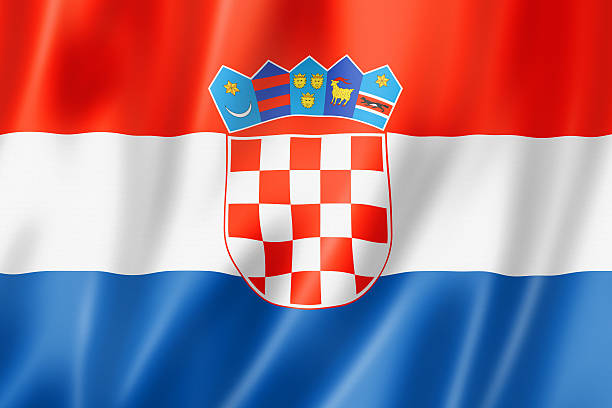
Getting dual citizenship by birth or descent
In Croatia, descent is one of the most prevalent methods to get dual citizenship. Children born to at least one Croatian parent may usually get Croatian citizenship, no matter where they were born. This means that a child born outside of Croatia to a Croatian parent may be able to get Croatian nationality while still maintaining citizenship in the country where they were born. This is as long as that country allows dual citizenship. In some cases, the child may automatically keep both nationalities without having to go through a formal process of giving up one. This is only true if the laws of both countries are the same.
Croatia also lets Croatians who live abroad apply for citizenship based on their ancestry, even if they are several generations removed from the original family. This has proven very crucial for Croatians living in Argentina, the US, Canada, Australia, and Germany. In certain cases, applicants do not have to give up their current nationality to gain Croatian citizenship. This means that many people may have dual citizenship.
Naturalization and the renunciation requirement
It is harder to get Croatian citizenship via naturalisation than by descent. Croatian law says that people from other countries who want to become citizens by naturalisation usually have to give up their old citizenship. This requirement is meant to make sure that people are loyal and become part of Croatian society. However, this requirement can be waived in certain situations. Like when the applicant is of Croatia origin or when they can’t renounce their nationality because of legal or practical problems in their home country. Or when their home country has a bilateral agreement with Croatia that allows dual citizenship. In such cases, a person may be able to keep their original nationality and get Croatian citizenship at the same time, which is like having two nationalities. The waiver procedure is not automatic and usually requires showing strong grounds or legal problems that make it impossible to give up the original citizenship.
Dual nationality for children and spouses
If a child is born in Croatia to parents who are not Croatian citizens, they do not immediately acquire Croatian citizenship unless one of the parents is a Croatian citizen. But if a foreign national parent becomes a Croatian citizen, their minor children may also be able to get Croatian citizenship via a simpler procedure. In these situations, having two nationalities is usually okay, especially if the kid is already a citizen of another country. Croatian citizens’ spouses may also seek for nationality after living in Croatia for a certain amount of time and being married for a certain amount of time. The main norm for naturalisation still applies, however certain spouses may keep their original citizenship because of international accords or practical reasons. This means they can have two nationalities.
International treaties and bilateral agreements
Croatia’s stance on dual nationality is affected by its responsibilities to other countries. Some bilateral agreements between Croatia and other countries clearly say that those who satisfy the legal conditions may have dual citizenship. The goal of these accords is to make it simpler for people to move around and to strengthen cultural and economic relations between Croatia and its partner nations. European Union law also gives Croatian citizens residing in other EU member states certain independence, although this does not replace the laws of their native country.
Conclusion
Croatia lets people have two citizenships, however there are several conditions that must be met. The procedure chosen to gain Croatian nationality and the legal status of the applicant’s home country have a big effect on whether or not they may hold dual nationality. People who get citizenship by descent are usually permitted to have another nationality, however people who are naturalising may have to give up their present citizenship unless specific exceptions apply. If you want to keep or receive dual nationality in Croatia, it’s very important to understand the legal details of Croatian nationality law and seek good guidance.
You can also view these posts:
Best universities to apply for in Croatia as expat
Preparing for the immigration interview in Croatia
Getting a job as an expat in Croatia