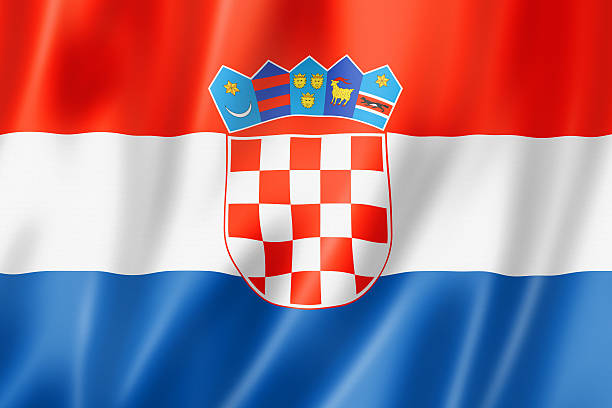
Croatia is a beautiful nation on the Adriatic Sea that has become more appealing to foreign investors. This is because of its strategic position, EU membership, and developing industries including tourism, real estate, technology, and renewable energy. It is a unique commercial opportunity since it is a link between Western Europe and the Balkans. Croatia, like any other place to invest, has both good and bad things that you should think about very carefully.
Strategic location and EU integration
Croatia’s geographic and economic situation is one of its best features. Croatia has been a member of the European Union since 2013 and the Eurozone since 2023. This gives investors access to the EU single market, a stable currency, and rules that are the same across the board. It is also a logistical bridge between Central Europe and South-eastern Europe, which makes it a good place for commerce, transportation, and companies that rely on exports. Croatia is typically seen as a good place to do business for investors who want to get into the Balkans or the larger EU market in a steady way.
Expanding tourism and real estate sectors
Croatia has been a popular tourist destination for a long time because of its natural beauty and historical charm. The robust tourist industry has led to expansion in short-term rentals, hotels, building, and luxury real estate. Dubrovnik, Split, and Zadar are all coastal towns that are becoming centres for property development. There is a growing need for hotels, vacation houses, and eco-tourism infrastructure. People who buy property in these areas may be able to sell it for more money and earn money during the off-season. There are other risks, such as too much development, difficulties with the environment, and changes in the number of visitors due of worldwide health or economic concerns.
Emerging opportunities in technology and green energy
Croatia’s digital sector is rising, and it’s not only in tourism. New digital businesses and startups are performing well in cities like Zagreb and Split because they have a well-educated workforce, EU funding, and cheap operating costs. On the other side, Croatia’s commitment to renewable energy is making it simpler for citizens to put money into projects that use solar, wind, and bioenergy. The government helps these sorts of initiatives with money and by working together in numerous ways. The EU’s climate targets also remain pushing for long-term growth.
Supportive investment climate and incentives
The Croatian government gives foreign investors a lot of benefits, such as tax breaks, help with employment growth, and access to EU structural money. Special economic zones and free trade areas are very useful in locations that aren’t extremely developed, in addition to their other benefits. The rules for investment have been improved in the last several years and are now in line with EU standards. It has also become simpler to establish a firm.
Bureaucracy and regulatory hurdles
Even if things have gotten better lately, investors in Croatia may still have to deal with a lot of red tape. At the municipal level, laws and regulations may not always be clear, uniform, or timely. It may take a long time to get approvals and licenses, and it’s sometimes hard to figure out how to accomplish it on your own without aid from local attorneys or government authorities. This might be a concern for small and medium-sized investors that don’t know the region well.
Labour market and demographics
Croatia offers a cheap and skilled workforce, particularly in cities and IT sectors. But the country is under demographic pressure since its population is becoming older and a lot of young professionals are leaving. In certain places, it could be challenging to find specialist or long-term personnel. Investors also have to respect labour laws and collective agreements, which may make hiring more costly in certain industries.
Currency stability and economic outlook
The euro made Croatia’s economy more stable and its currency more stable in 2023. This also made it less dangerous for foreign investors to exchange currencies. The country has been able to recover from economic downturns because inflation has been low. Croatia’s economy is still a bit vulnerable to shocks from outside the nation, especially those that affect energy prices and tourism. Changes in Europe’s politics might potentially change how investors feel.
Conclusion
There are pros and cons to putting money into Croatia. Because of its strategic location in the EU, growing sectors, and incentives for investors, it’s a great place to go, particularly for those who work in tourism, technology, and renewable energy. But bureaucracy, shifting demography, and economic interdependence are still difficulties. If they plan ahead, collaborate with local companies, and know the regulations, Croatia may be a fantastic spot for investors from both the area and the globe to earn money and have fun.
You can also view these posts:
Getting an employment visa: Work permit in Croatia
Things to know before immigrating to Croatia
Getting a job as an expat in Croatia