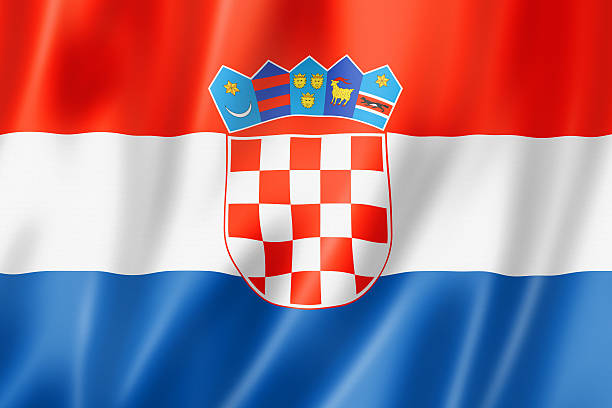
Croatia, which is in the middle of Central Europe and the Mediterranean, has become a popular place for businesspeople and investors to go. The nation has been making changes to its economy since it joined the European Union in 2013 and the Eurozone in 2023. These changes have made the legal system, digital infrastructure, and investment environment better. Tourism has always been the main driver of the economy, but other fields like information technology, renewable energy, agriculture, and real estate are becoming more and more attractive for business.
Tourism and hospitality
Tourism is still the most important part of Croatia’s economy, making up around 20% of the country’s GDP. Millions of people visit the nation every year because of its beautiful Adriatic coastline, more than a thousand islands, and UNESCO-protected historical sites. This has opened up huge investment potential in health retreats, boutique hotels, eco-lodges, tour companies, boat charters, and hospitality services. There is also more interest in year-round tourism models including medical tourism, adventure sports, and cultural tourism. These models don’t rely as much on seasonal changes and provide opportunity for specialised firms.
Information technology and startups
Croatia’s IT industry is constantly increasing, and Zagreb, Split, and Rijeka are becoming busy startup centres. The government gives IT entrepreneurs money in the form of grants, co-financing programs, and access to EU funds. Croatia is a good place for IT development, software engineering, and digital services because it has a highly educated workforce, a strong STEM base, and low labour costs. Startups in healthtech, finance, and AI have done well in both the US and other countries. Business incubators and co-working spaces are doing well, and the recent addition of the Schengen Area makes it easier for digital companies to work together across borders.
Renewable energy
Croatia is a wonderful area for renewable energy projects since it receives a lot of sun, has wind corridors, and can create hydropower. The EU has supported national programs and measures that the government has used to promote green energy. Foreign investors are becoming more and more interested in biofuel projects, solar and wind farms, and innovative methods to store energy. Businesses who develop, install, or maintain renewable energy technology may be able to benefit from the growing demand for eco-friendly options in homes and businesses. The need for new energy infrastructure may be a desirable long-term investment as the country works towards EU climate goals.
Agriculture and agri-business
Croatia’s agricultural sector is smaller than other sectors in terms of GDP, but it has a lot of space to grow and modernise. Croatia’s fertile land, especially in Slavonia and Baranja, is great for producing organic crops, manufacturing wine, and creating gourmet delicacies like lavender, olive oil, and truffles. The EU’s Common Agricultural Policy distributes money to farmers and food producers. This implies that businesses may benefit from starting or growing their businesses in agriculture. More and more people in Croatia and throughout the globe want Croatian meals that are created in a manner that is beneficial for the environment.
Real estate and construction
The real estate market in Croatia has been rising significantly, especially in large cities and along the coast. Over the last several years, there has been a big increase in the demand for houses, vacation properties, and commercial real estate. This has attracted investors and retirees from other countries. The construction sector has also followed suit since new buildings and infrastructure projects are needed. People from other nations may purchase property in Croatia, however there are several rules that depend on their nationality. New legislation are making it simpler to do business. Putting money into green buildings, smart houses, and mixed-use complexes is particularly wise right now.
Logistics and transport
Croatia’s location on the map gives it an edge in business and logistics. It is an essential route for shipping goods since it is near to Central European markets, has stronger road and rail networks, and can get to the Adriatic Sea. The upgrading of seaports like Rijeka and the expansion of logistics parks have attracted multinational logistics enterprises. As trade grows, especially during the pandemic when e-commerce sales were through the roof, there is a lot of space for entrepreneurs in storage, customs brokering, and last-mile delivery services to grow.
You can also view these posts:
Getting an employment visa: Work permit in Croatia
Things to know before immigrating to Croatia
Preparing for the immigration interview in Croatia