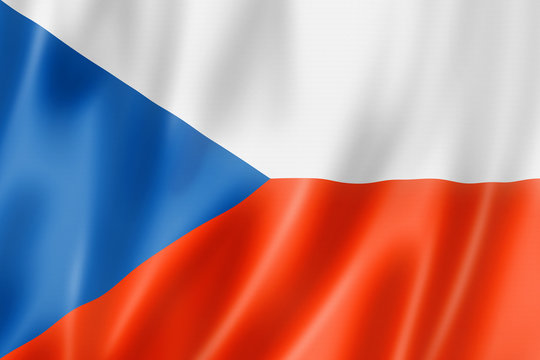
Opening a local bank account is one of the first things you should do if you’re going to Czechia for job, school, or to live there for a long time. Having a Czech bank account makes it simpler to keep track of your money every day and helps you avoid the hefty fees of currency translations and foreign transactions. You usually pay your bills, rent, and salaries via local accounts, which makes them nearly necessary. The procedure is rather simple, but knowing the criteria, alternatives, and cultural elements of banking can help new customers save time and avoid aggravation.
How to pick the right bank
The financial system in Czechia is contemporary and competitive, with both local banks and branches of foreign banks. Česká spořitelna, ČSOB, Komerční banka, Raiffeisenbank, and Moneta Money Bank are some of the biggest banks. Also, digital-first institutions like Air Bank or services that work like Revolut provide easy mobile banking solutions for those who are good with technology. When choosing a bank, you should think about things like account fees, online services, proximity to ATM, and whether or not they provide customer care in English. If you don’t speak Czech very well, banks that provide good multilingual services are usually the best option.
Different kinds of accounts you may open
In Czechia, most banks provide two primary types of accounts: current accounts and savings accounts. People use current accounts for things like being paid, paying bills, and taking out cash. Most of the time, they come with debit cards, online banking, and the possibility to set up direct debits for rent or utilities. Savings accounts, on the other hand, are a secure location to keep your money and earn a little amount of interest. Many banks provide specific student accounts with lower or no fees for students. Some banks also let users create accounts in other currencies, which might be helpful for those who are paid in euros or U.S. dollars.
Requirements for foreigners
The papers required to create a bank account depend on whether the person is a Czech citizen, a resident of the EU, or a citizen of a country that is not in the EU. In general, the most important papers are a valid passport or national ID card and evidence of residence, such a current utility bill or rental agreement. People from the EU normally have an easier time, while people from outside the EU may need to provide more verification, such a residency permit, job contract, or school enrolment certificate. Some banks let foreigners create a basic account even if they don’t live there permanently. However, these accounts may not have all the amenities that other accounts have.
The opening process
It’s usually easy to open an account, and you can usually do it in one trip to the bank location. The bank employee will help the consumer understand the contract and the fees and services once they have shown them the required documentation. Some banks provide debit cards immediately instantly, while others take a few days to issue them. More and more, online banks and digital platforms enable you set up accounts from anywhere, which is great for new customers. Clients may use online banking, which is a frequent method to check their accounts, pay bills and transfer money after setting up the account.
Banking fees and daily usage
Banking services in the Czech Republic are usually secure, however the fees they impose might vary from bank to bank. Customers could have to pay to keep their accounts open, take money out of ATMs, and transfer money to other countries. Some banks provide package accounts, which are accounts that come with more than one service for a single monthly fee. These may cost less. Most places in Czechia accept debit cards, and most individuals now utilise contactless payments for everyday purchases. Also, it’s much easier to pay for things like rent, utilities, and insurance on a regular basis using a local account since landlords and service providers frequently prefer Czech bank transfers.
Tips for expats and students
Before opening an account, prospective customers should compare several banks. It might save a lot of trouble to find out whether the bank has contracts and customer service in English. Students should seek for accounts with cheap fees and features that can be changed easily. Working adults, on the other hand, may care more about online banking that is easy to use and choices for sending money internationally. It’s also important to note that Czech landlords and companies prefer to deal with local accounts. So starting one early can help you avoid delays in getting your income or finding a place to live.
Conclusion
It is not hard to open a bank account in Czechia, but it is an important step in becoming used to living there. There are a lot of banks and account kinds to choose from, so people may pick one that works for them, whether they are students, professionals, or long-term residents. Newcomers may rapidly build a strong financial basis by getting the right paperwork together and comparing costs and services. A Czech bank account is more than just a convenience; it may help you manage your money better and live a more stable life in this Central European nation.
You can also view these post:
Living in Czechia
Traveling to Czechia: Visa requirements
Getting a job as an expat in Czechia